


I used to believe “the Bible says it, I believe it, that settles it.” In the 20th century, so many Christians thought that line worked.
Yet it drove many others away from faith in Christ.
Why?
Because instead of answering hard questions, it dodges them.
Few serious Christians use the slogan anymore when speaking to skeptics. For the precise reason atheists outline: It’s circular.
The mantra assumes the Bible is the ultimate authority without first establishing why. It skips the foundational questions any thoughtful person, believer or not, should wrestle with before accepting any document, ancient or otherwise, as reliable.
In everyday conversation, it comes across as the crass refusal to think it is, and skeptics rightly push back against it and any other shortcuts that refuse to provide evidence.
BUT atheists also mistake “the Bible says it, I believe it, that settles it” as the only explanation Christians have for placing trust in Scripture. And THAT is a false straw man easily debunked.
This is a preview of our weekly paid article for Allegiant Faith VIPs. Become a paid subscriber and get access to the full article and more:
Courageous Chris’s “30-Day Evangelist: How to Share, Defend, and Live Your Christian Faith in a Secular World” and all future published works.
2 posts every week, on Wednesday and Saturday (give or take)
A bi-weekly live apologetics book study
Access to our full archive of articles
An exclusive subscriber chat
Your support means the world to us and helps us continue to grow online.
Click below and upgrade!
Corpus Christus
The Bible isn’t just one book. It’s a series of books written over thousands of years with multiple authors from different walks of life across many nations and three separate continents.
Our biblical anthology spans roughly 1600 years or more, with contributions from at least forty individual writers who lived in distinct and divided cultural settings and social positions.
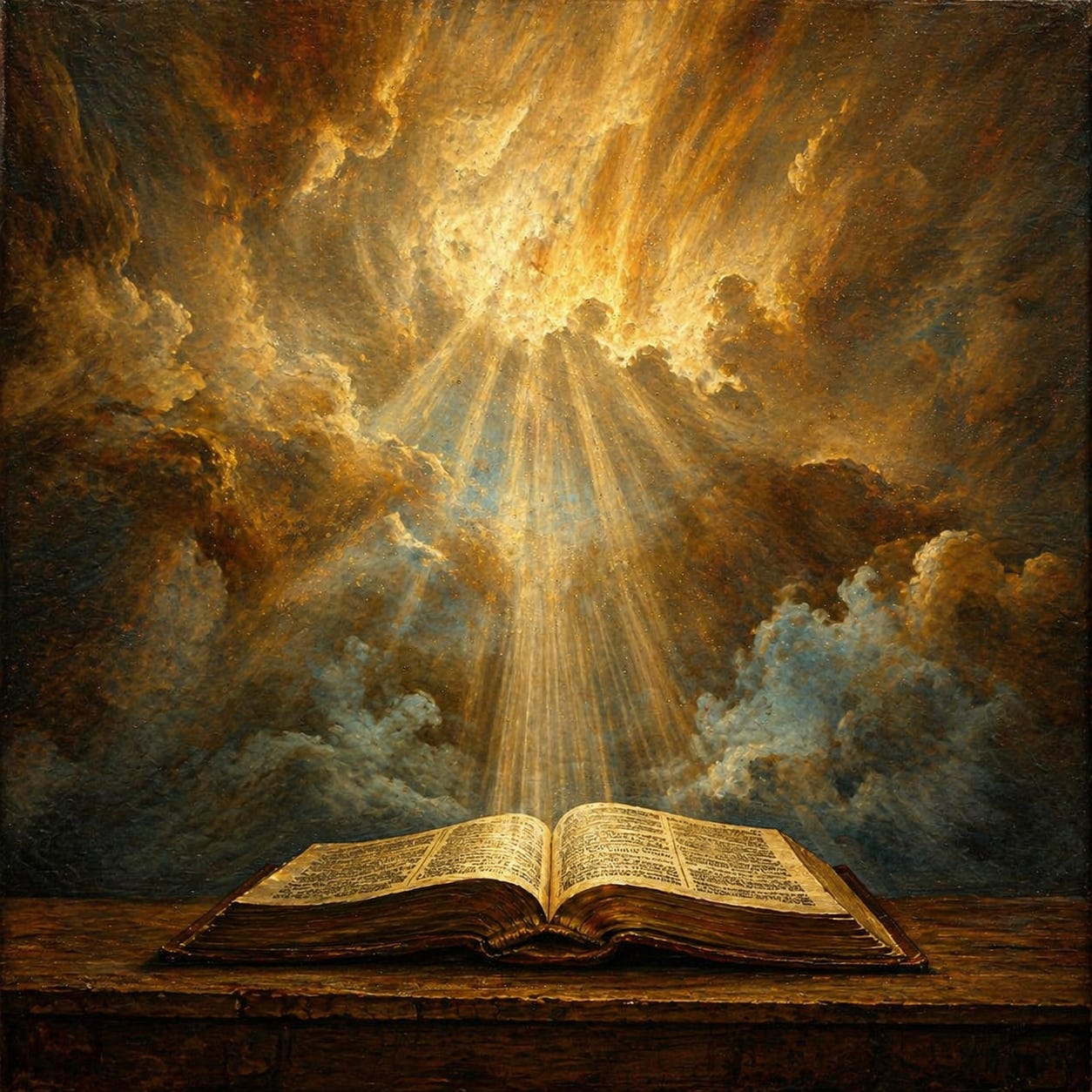
Some were kings and rulers. Others were shepherds tending flocks in silent hills. Still others were fishermen plumbing the depths of a wicked sea, a tax collector handling Roman accounts, a trained physician, prophets who spoke in and defied royal courts, and scribes who detailed the experiences of their people in times of terror, exile, and disaster.
These writers composed their works in three languages, drawing from their own realities. The earliest writings reach back far into the second millennium before Christ, while the latest books in the collection come from the first century after Christ. Materials originated across the Ancient Near East, extending into parts of Africa and even touching early Europeans via the spread of the early church.
Generations of human experience, observation, and reflection shape the collection, all while maintaining a strikingly coherent, interconnected story. No other documents compare.
What best explains this phenomenon?
